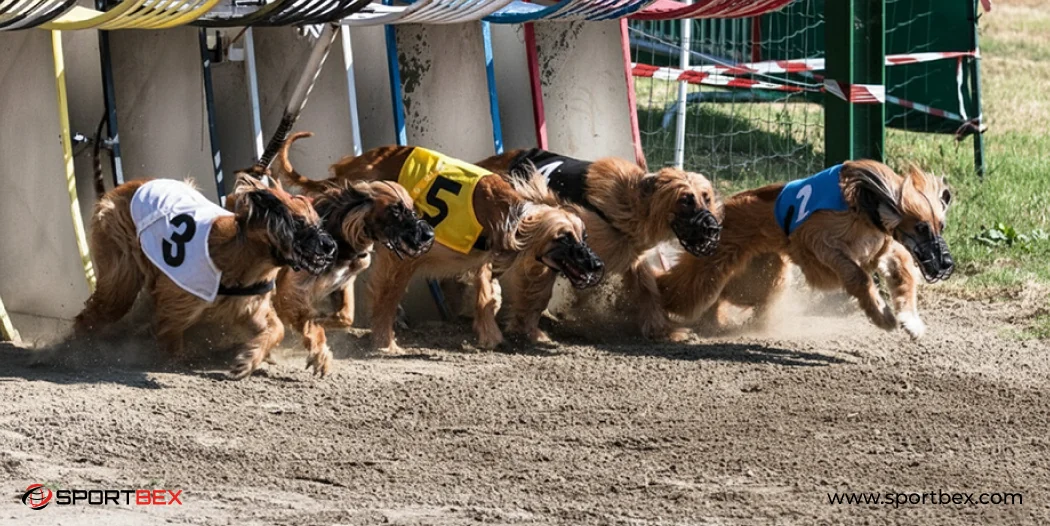
Selecting a winning greyhound is not just about luck. It requires the right knowledge, simple strategy and careful observation of different factors that affect race results. Whether you are new or experienced, understanding these basics can help you make better decisions.
Greyhounds are known for their incredible speed and are counted among the fast dog breeds. They can reach high speeds in seconds, but speed alone does not decide a winner. Factors like race history, track condition and training also play a big role in choosing a winning greyhound.
If you are asking How Do You Pick a Winning Greyhound? The answer lies in understanding key details like performance history, racing conditions, and betting patterns. A winning greyhound is often selected through a mix of data, observation and smart decision making.
If you are trying to understand how to pick winning greyhounds, using tools like Greyhound API can help you access race data and performance insights. This guide will help you learn simple methods and practical strategies. With the right approach, you can improve your chances of selecting consistent greyhound race winners.
Basics of Greyhound Racing
Greyhound racing follows a simple format where six to eight greyhound dog runners compete on an oval track. They chase a mechanical lure and race distances can range from short sprints to longer formats. This basic setup helps in understanding how races are structured.
Track surface plays an important role in performance and race outcomes. Some best greyhound racing tracks use sand, while others use synthetic surfaces for better balance. Sand can slow early runners, while synthetic tracks often support speed and smooth movement.
Understanding these basics is important before selecting a winning greyhound. Race conditions can quickly change results, even for strong competitors. This is why learning track behavior helps in choosing better greyhound race winners.
Consider Greyhound Age and Experience
Age and experience are very important when selecting a winning greyhound. Younger dogs are usually fast but may not perform consistently in every race. Experienced greyhound dog runners often show more stability and better race understanding.
Using tools like Greyhound API or integrate greyhound data API helps you check race history and performance details. These tools make it easier to compare different greyhound race winners based on real data. This improves your chances of choosing a winning greyhound with more confidence.
| Age Group | Strengths | Weaknesses | Experience Level | Tips for Bettors |
|---|---|---|---|---|
| 1–2 years | High energy, fast starters | Unpredictable performance | Limited races | Watch early races to assess potential |
| 3–4 years | Peak physical performance, consistent | May lack strategic race experience | Moderate races | Focus on consistency and finishing times |
| 5–6 years | Experienced, knows the tracks well | May start losing stamina | High number of races | Check recent form before betting |
| 7+ years | Very experienced | Past peak, slower recovery | Veteran racer | Consider only proven winners in favorable conditions |
Key Factors for Choosing a Winning Greyhound
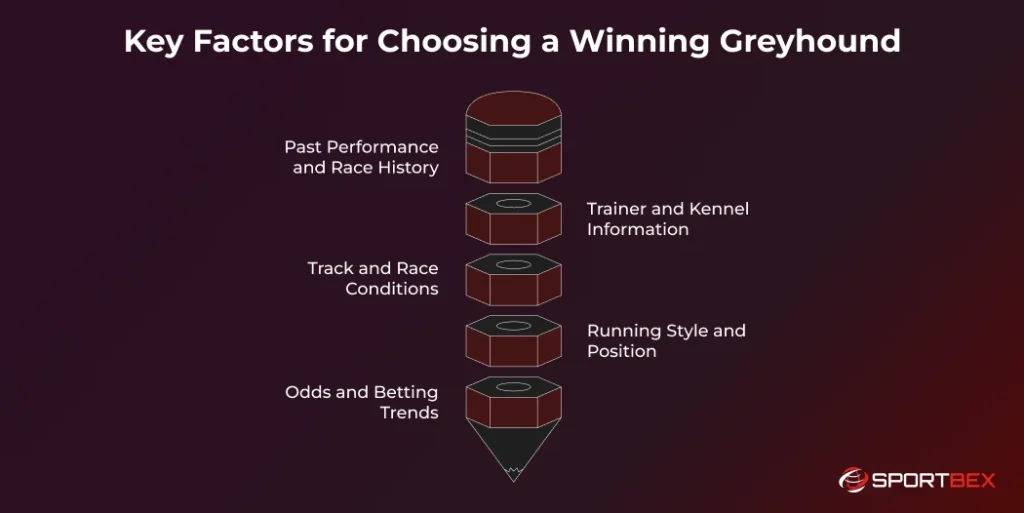
To pick consistent greyhound race winners, you need a clear and structured approach. Relying only on guesswork is not enough when selecting a winning greyhound. Many users also use greyhound betting API sites to access accurate data and improve their decisions.
Past Performance and Race History
Past performance is one of the strongest indicators when selecting a winning greyhound. Instead of focusing only on wins and losses, you should analyze patterns across recent races. This helps in identifying consistent greyhound race winners with better accuracy.
A greyhound dog that performs well repeatedly under similar conditions is more reliable. This is where greyhound racing handicapping becomes important, as it helps compare race data properly. Using data tools also improves your chances of selecting a winning greyhound.
To evaluate performance, check:
- Performance on similar tracks
- Recent finishing positions
- Timing consistency across races
Greyhound Racing Data, Made Simple
Easily add live race results and dog profiles to your website or project.
Trainer and Kennel Information
The trainer and kennel behind a greyhound dog have a strong impact on race performance. Experienced trainers often produce consistent greyhound race winners through better planning. Their training methods and preparation style can influence outcomes.
A well-managed kennel ensures proper care, diet, and recovery for each dog. This improves consistency and overall race readiness when selecting a winning greyhound. Strong kennel records often reflect long-term performance trends.
To assess trainer and kennel quality, check:
- Trainer win percentage
- Kennel performance history
- Recent race outcomes
- Consistency across different tracks
Track and Race Conditions
Track and weather conditions play a major role in every race outcome. Surface type, wind and temperature can directly affect a greyhound dog’s speed and performance. Understanding these factors is important for selecting a winning greyhound.
Many bettors use tools like real-time greyhound odds API or Sports Betting API to monitor changes. Following wheeling dog track results also helps in understanding how conditions impact races. This gives better clarity when choosing greyhound race winners.
To analyze conditions, focus on:
- Track surface type
- Weather conditions
- Wind direction and speed
- Past results on similar tracks
Running Style and Position
Every greyhound dog has a unique running style that affects race performance. Some dogs start fast, while others perform better in the final stretch. Matching running style with race setup improves your chances of selecting a winning greyhound.
Starting position is equally important in determining race flow. Dogs with early speed benefit from inside positions, while late runners need space. Understanding this helps in predicting greyhound race winners more accurately.
To evaluate running style, check:
- Early speed vs finishing strength
- Starting box position
- Track layout suitability
- Competition in the same race
Odds and Betting Trends
Odds reflect the market’s expectation of a greyhound’s chances. They help identify strong contenders and possible value bets. Understanding odds is important when selecting a winning greyhound.
Learning how to Set Greyhound Racing Odds and tracking trends can improve decisions. Many users rely on a dashboard using greyhound API to monitor odds movement. This helps in spotting changes and predicting greyhound race winners.
To understand betting trends, check:
- Opening and closing odds
- Sudden odds changes
- Market favorites vs outsiders
- Value betting opportunities
Making Your Final Selection
Selecting a winning greyhound requires combining multiple factors instead of relying on just one detail. Looking at performance, track conditions, and race patterns together gives a clearer picture. This approach helps in identifying more reliable greyhound race winners.
Using tools like Sports Betting API makes this process easier by providing real-time data and deeper insights. It helps track odds, performance trends, and race conditions in one place. This improves your ability to choose a winning greyhound with better accuracy.
Before making your final decision, always review key factors carefully. Focus on recent performance, track conditions, trainer and kennel quality, and odds value. A balanced and data-driven approach always works better than simple guessing.
Conclusion
Selecting a winning greyhound becomes easier when you follow a structured and simple approach. Understanding race basics, performance patterns and track conditions helps in making better decisions. This improves your ability to identify consistent greyhound race winners.
Using smart tools like Greyhound API and Sports Betting API gives access to real-time data and deeper insights. Many users also prefer a dashboard using greyhound API to track performance, odds and trends in one place. This makes the process of choosing a winning greyhound more reliable.
With the right balance of data, observation and strategy, you can build a strong approach over time. Consistency and learning from past results play a key role in long-term success. This helps you confidently select a winning greyhound in different race conditions.
Live Data from Top Greyhound Tracks
Integrate the fastest, most reliable live odds and race data into your platform.
Frequently Asked Questions
To pick a winning greyhound, consider factors such as age, experience, past performance, training quality, track conditions, running style, and betting odds. Combining these insights improves your chances of success.
Age and experience significantly influence a greyhound’s speed, stamina, and consistency. Younger dogs may have raw speed but less experience, while older dogs may have racing savvy but declining performance.
Past performance shows a greyhound’s consistency, finishing ability, and reliability under different conditions. Analyzing historical race results helps bettors make informed predictions.
Track surface, weather, and race length can all impact performance. Certain greyhounds perform better on dry tracks, while others excel under wet or specific track conditions, giving informed bettors an advantage.
Yes, odds reflect professional assessments and public betting trends. Comparing morning line odds with live betting activity can help identify value bets and potential winners.
Recent Blog



Why You Need a Cricket API for IPL 2026 for Developers and Businesses?
March 27, 2026
 10 min

Which API Horse Racing Offers Global Race Coverage?
March 24, 2026
7 min
Get real-time greyhound race data and historical stats with our API
API Free Trial