Why Sports Platforms Need a Fast Live Streaming API

December 8, 2025

10 min read

Watching live sports is exciting because everything happens in real time. Fans want to see every goal, every dunk, and every last-second play the moment it happens.
Fans want to cheer and react just like the crowd in the stadium. To make this possible, platforms need a strong Live Streaming API.
When the stream is fast and smooth, viewers enjoy the match without missing anything. But if the video slows down or buffers, the fun is gone. Even a small delay can be annoying, especially when social media and score apps show updates before the video.
A reliable Live Streaming API ensures that the action reaches fans instantly, keeping them fully engaged.
That’s why sports websites, apps, and betting platforms now focus on Real-Time Sports Streaming. The aim is simple: show the game with great quality and no delay, even when millions of fans are watching.
In this blog, we’ll explain how a Live Streaming API keeps sports viewing fast and exciting, why streaming speed matters so much, and what features help make fans stay happy and connected.
What is a Live Streaming API?
A Live Streaming API is a tool that helps sports apps, sports websites, and digital Sports platforms show live video to people watching online.
Instead of building their own streaming system, companies can use this API to make live streaming work smoothly without a lot of effort.
With a Live Streaming API, platforms can:
- Deliver high-quality sports broadcasts
- Stream content to millions at the same time
- Ensure mobile, web, and smart TV compatibility
- Control video quality, speed, and stability
In sports, timing is extremely important. Fans want to see every goal or shot the moment it happens. Even a few seconds of delay can spoil the thrill. That’s why a Live Streaming API is designed to manage huge viewer traffic while keeping the stream almost instant.
You can think of it as the behind-the-scenes control room that sends the live video from the stadium to every fan’s screen around the world, quickly and without any interruptions.
Why Speed Matters in Live Sports Streaming
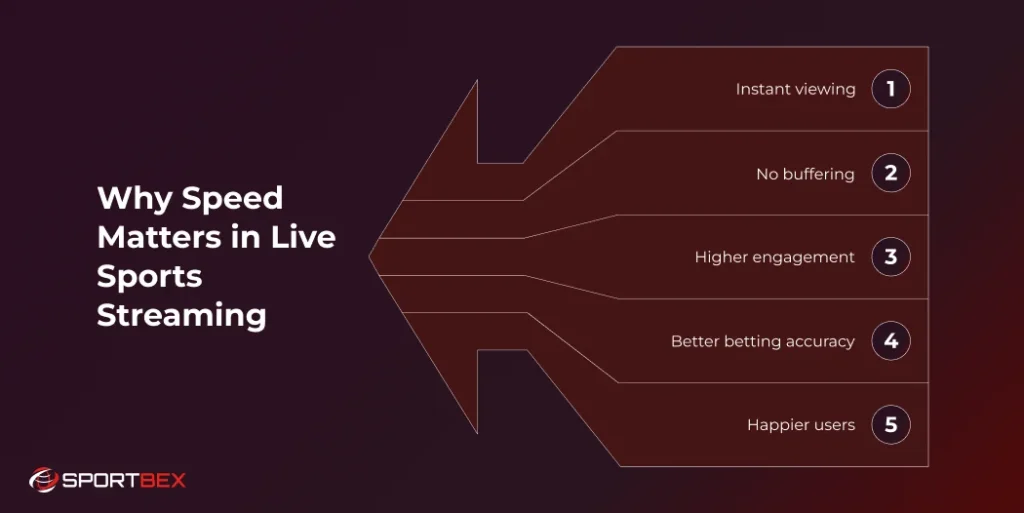
Instant Viewing
Sports are full of surprises, a sudden goal, a match-winning spike, or a game-changing foul. Fans expect to see those moments right away. If a Live Sports stream is delayed, even by a few seconds, the thrill can disappear, especially when social media reacts before your screen does.
Quick and smooth streaming helps keep fans locked in. When a Live Streaming API is handling the broadcast, it ensures the action reaches every device without delay, so viewers always feel connected to the live moment.
No Buffering
Buffering is the biggest mood-killer in live sports. That spinning loading icon can instantly turn excitement into annoyance. Once fans start getting interruptions, they may even leave and find another platform that performs better.
High-speed streaming powered by a live stream API keeps everything running smoothly from start to finish. Whether someone is watching a big match on a smart TV at home or catching quick updates on their phone, zero delays mean they enjoy the game without frustration.
Higher Engagement
Sports are more fun when fans experience them together. Real-time streaming lets people cheer, comment, share reactions, and enjoy the game alongside friends, even when they’re miles apart. That sense of community keeps viewers active and involved.
Fast streaming makes live chats and reactions feel more natural. When the action and the conversation stay in sync, fans feel like they’re part of a huge, global watch-party, not watching alone. A Live Streaming API helps make these interactions seamless.
Better Betting Accuracy
In sports betting, timing is everything. Even a one-second delay can allow someone to place a bet after the real outcome has already happened, which can ruin fairness. Bettors need streams they can trust.
Real-time visuals powered by a Live Streaming API make betting more accurate and exciting. That’s why many sportsbooks combine high-speed streaming with instant sports data, to keep every decision quick, fair, and reliable.
Happier and Loyal Users
When fans get a smooth viewing experience, they stick with the platform. But if a stream lags during a crucial moment, they might switch apps and never come back. Reliability builds trust and long-term loyalty.
With so many live cricket streaming platforms for sports competing for attention, speed has become a major advantage. The faster the content reaches the audience, the more likely they are to stay engaged and enjoy the game till the last second.
Key Benefits of a Fast Live Streaming API
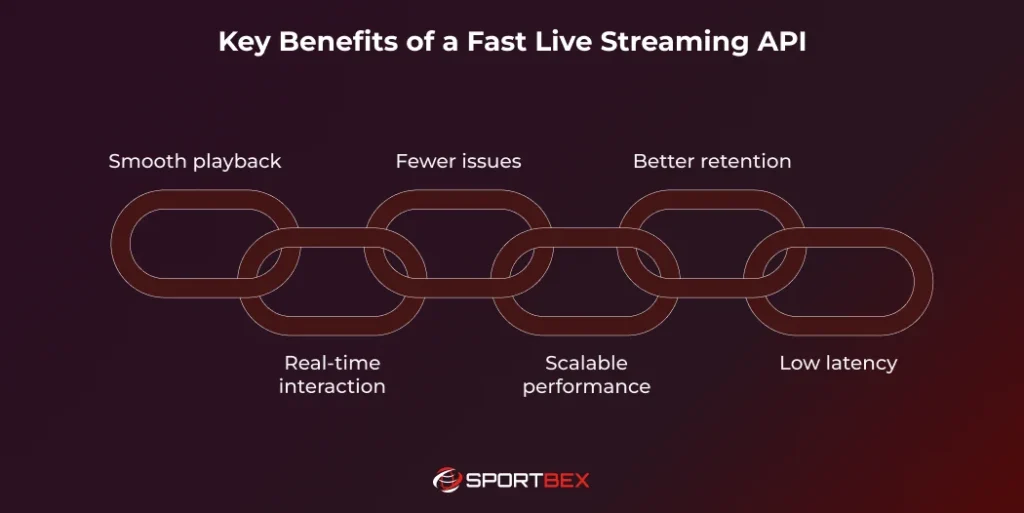
Smooth Playback
A great stream should never freeze right when something exciting happens. A fast Live Streaming API helps keep the video steady and clear from start to finish.
This means fans can watch every goal, dunk, or race moment without frustration. When viewers have a smooth experience, they trust the platform more and enjoy watching for longer.
Real-Time Interaction
Sports are more fun when fans can react together. With low-latency Live Streaming API, everyone watching sees the same moment at the same time. No one gets updates early, and no one feels left out.
Fans can chat, send reactions, and celebrate key moments together, just like watching in the same room. This sense of community is a big reason people love Live Sports Streaming.
Fewer Technical Issues
Big matches often bring huge crowds to a streaming platform. Without the right technology, this can lead to buffering or even an app crash.
A reliable backend system prevents those problems. When supported by accurate and secure Sports technology, the platform stays strong even during the most intense game moments.
Scalable Performance
Whether it’s a small league match or a global final, millions of fans expect perfect streaming quality. A strong system should be ready for sudden traffic spikes, especially during high-pressure game moments.
This keeps viewers happy, whether they are watching on a phone, laptop, or smart TV, because the stream stays fast and clear for everyone no matter how many people join.
Better Retention
If a platform gives a great live experience once, fans will likely return for the next game. Over time, that builds loyal users who keep coming back to watch more.
For popular sports like cricket, football, or tennis, this loyalty makes a big difference. It helps platforms boost their audience and revenue all season long.
Low Latency
Low latency ensures fans see the match almost exactly when it happens on the field. That tiny difference in speed makes the experience much more thrilling.
It’s especially important for apps related to gaming, predictions, and betting, where every second counts. Fast delivery keeps everything fair and exciting for the viewer.
Important Features to Look for in a Live Streaming API
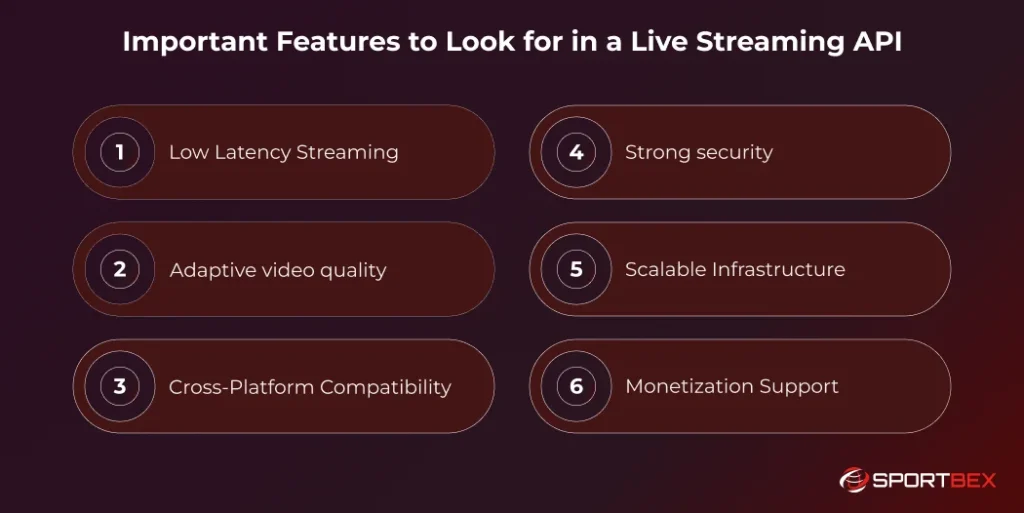
Low Latency Streaming
Low latency means the video shows the action almost instantly, with very little delay. This is crucial for sports because every second counts.
Why it matters:
- Fans feel the excitement in real time
- Betting audiences can make fair decisions
- Commentary and updates stay in sync with the action
- Viewers don’t get spoiled by social media before the stream
A good API ensures ultra-low latency even when thousands or millions of fans are watching at the same time. This makes every moment feel live and keeps fans fully engaged.
Adaptive Video Quality
Not every viewer has a fast internet connection. Adaptive video adjusts the quality automatically based on the user’s network, so the stream never stops or lags.
Benefits:
- High quality for strong connections
- Smooth playback for weaker networks
- No manual settings needed
This means every fan, whether at home or on the go, gets the best possible viewing experience without frustration.
Cross-Platform Compatibility
Fans watch sports on all kinds of devices:
- Smartphones
- Laptops and desktops
- Smart TVs
- Tablets
- Gaming consoles
A strong Sports Streaming API works across all devices and supports different video formats. It also allows features like full screen mode and casting, so viewers can enjoy the match in the way they prefer.
Strong Security
Live sports rights are expensive, and piracy is a real problem. Security ensures your content stays protected and revenue is safe.
Key security features:
- DRM protection
- Encrypted video delivery
- Token-based authentication
- Geo-blocking when needed
- Anti-screen capture measures
This protects both your platform and your viewers while respecting broadcast rights, which is essential for global sports coverage.
Scalable Infrastructure
During big matches, millions of fans may tune in at once. A scalable API handles this traffic without slowing down or crashing.
Why scalability matters:
- Smooth performance during finals, derbies, or playoffs
- No interruptions during peak moments
- Reliable delivery worldwide
With scalable infrastructure, every fan gets a high-quality experience, no matter how big the audience grows.
Monetization Support
Streaming isn’t just about showing the match, it’s also a business. A good API helps platforms monetize a Live Sports Streaming effectively while keeping fans happy.
Monetization features:
- Pay-per-view options
- Subscription management
- Ad insertion during live games
- Flexible pricing for different users
These features allow platforms to grow their business without compromising the viewer experience.
The Growth of Live Streaming Market (2025 – 2030)

Source : Grand View Research
The live streaming market is growing rapidly. In 2024, the global video streaming industry was worth around $129 billion and is expected to reach over $416 billion by 2030, growing at an annual rate of 21.5%.
North America leads in revenue, while Asia Pacific is the fastest-growing region. Live video, especially sports and events, drives most of this growth. Mobile devices like smartphones and tablets are now the main way viewers watch content, making mobile-friendly streaming essential.
Platforms are expanding content beyond traditional shows, offering live events, exclusive series, and local programming to appeal to diverse audiences. Partnerships between global and regional companies help deliver both local and international content, attracting more viewers and keeping them engaged.
By 2030, platforms that provide high-quality live streams, cater to regional preferences, and ensure smooth mobile access will lead the market, making real-time streaming more popular than ever.
Get a Ready-Made Platform On Rent.
Get Started Today
Conclusion
Watching sports live is all about feeling the moment, the excitement, the tension, and the cheers as it happens. A fast and reliable stream makes fans feel like they are right there in the stadium. A strong Live Streaming API keeps the video smooth, clear, and in real time on any device.
For streaming platforms, it’s not just about showing the game. It’s about giving viewers an experience they enjoy and want to come back to. Features like low latency, automatic video quality adjustment, Live sports data, secure delivery, and support for different devices make watching easy and fun.
As live streaming keeps growing, platforms that offer smooth, high-quality sports streams and content tailored to local audiences will lead the way. When the stream is fast and enjoyable, fans stay longer, engage more, and return again and again.
Frequently Asked Questions
A Live Streaming API is a tool that allows apps, websites, and platforms to show live video content to viewers without building a streaming system from scratch. It ensures smooth, real-time sports streams, supports multiple devices, and handles large audiences efficiently.
Low latency means the video reaches viewers almost instantly, with minimal delay. It’s crucial for live sports because even a few seconds of delay can spoil key moments, affect betting accuracy, and reduce fan engagement.
They ensure smooth playback, prevent buffering, allow real-time interactions like comments and reactions, and support all devices. This keeps fans engaged, happy, and more likely to return to the platform.
Yes! Modern APIs are designed for scalability. Whether it’s a small league match or a global final, a good API ensures the stream stays high-quality and uninterrupted even with millions of simultaneous viewers.
Important features include low latency, adaptive video quality, cross-platform compatibility, strong security, scalable infrastructure, and monetization support to help platforms earn revenue from live streams.
Recent Blog


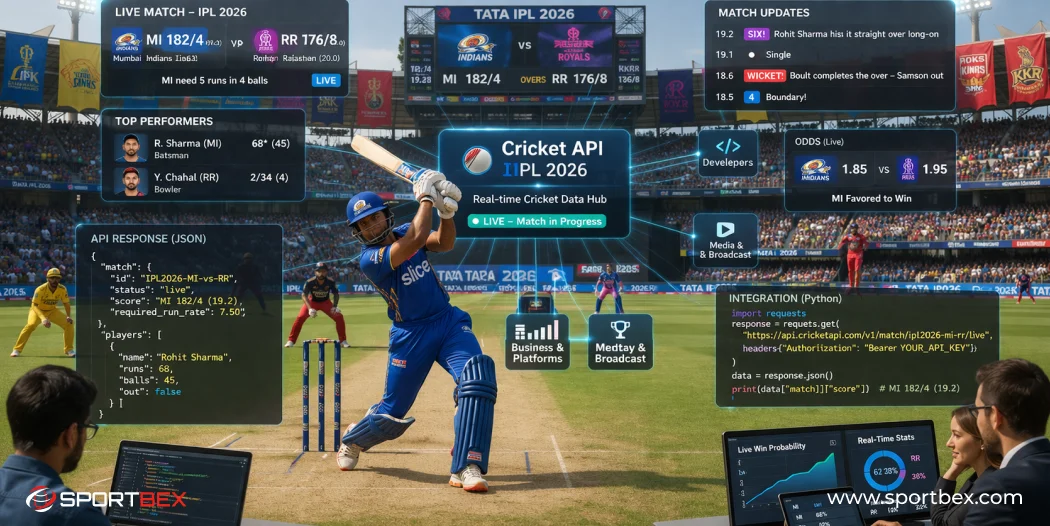
Why You Need a Cricket API for IPL 2026 for Developers and Businesses?
March 27, 2026
 10 min
Which API Horse Racing Offers Global Race Coverage?
March 24, 2026
7 min
Stream Live Sports with Ultra-Low Latency and Full HD Quality
API Free Trial