
Modern sports are no longer driven only by talent and instinct. Behind every successful team, there is a powerful system collecting and analyzing data in real time.
From tracking player movement to predicting injuries, Sports Data Analytics has completely changed how teams prepare, compete and improve performance.
Think about a football manager making a tactical substitution at the perfect moment or a cricket captain adjusting the field placement after studying batting patterns. These decisions are backed by detailed insights rather than guesswork.
This growing use of data analytics in sports is helping teams gain competitive advantages both on and off the field.
If you have ever wondered What Is Sports Data Analytics? A Complete guide explains everything in simple terms. You will learn how sports data is collected, how teams use it to improve performance, the technologies behind modern analytics and why sports statistics analysis has become essential in the sports industry.
What Is Sports Data Analytics?
Sports Data Analytics is the process of collecting, organizing and analyzing sports-related information to improve decision-making, player performance and team strategy. It transforms raw numbers into actionable insights that coaches, analysts and organizations can use during training sessions and live matches.
This process includes tracking player movements, match statistics, fitness levels, tactical patterns and fan engagement. Teams use sports data analysis to understand strengths, identify weaknesses and make smarter decisions throughout a season.
For example, a basketball team may analyze shooting percentages from different court positions to improve scoring efficiency. Similarly, football clubs study passing networks and defensive positioning to adjust tactics before important matches. Understanding the importance of sports data feeds has become essential because teams rely heavily on fast and accurate information.

Source: Grandviewresearch
The global sports analytics market was valued at approximately USD 5.6 billion in 2025 and is projected to reach nearly USD 23.1 billion by 2033, growing at a CAGR of 18.5% between 2026 and 2033.
This growth is driven by the increasing adoption of AI-powered analytics, wearable tracking devices, computer vision systems and real-time performance monitoring across major sports leagues worldwide.
Football remains one of the fastest-growing segments in the industry, while Europe currently holds the largest market share and Asia Pacific continues to emerge as the fastest-growing region.
How Sports Data Analytics Works
Sports Data Analytics follows a structured workflow that transforms raw sports information into meaningful insights for coaches, analysts, teams, broadcasters and sports businesses. The entire process combines data collection technologies, analytical models and visualization tools to help organizations make faster and more accurate decisions during training sessions and live matches.
Professional teams collect thousands of data points every minute, including player movement, passing accuracy, sprint speed, heart rate, possession statistics and tactical positioning. This information is then processed and analyzed to identify patterns, improve team strategies, monitor player fitness and enhance overall performance. Many sports organizations also rely on automated systems and cloud-based platforms to handle large volumes of real-time information efficiently.
- Data Collection: Wearable devices, GPS trackers, optical cameras and match event systems collect player movement, fitness data, ball tracking and match statistics in real time.
- Data Processing: Raw data is cleaned, organized and structured using analytics software to remove errors and prepare it for deeper evaluation.
- Data Analysis: Analysts study performance trends, tactical patterns and player efficiency using predictive models and statistical tools. Many organizations also use a Sports Data API to integrate live match data into dashboards and analytics systems.
- Data Visualization: Final insights are displayed through dashboards, heatmaps, graphs and visual reports that help coaches quickly understand performance trends and make tactical decisions.
Types of Sports Data Used in Analytics
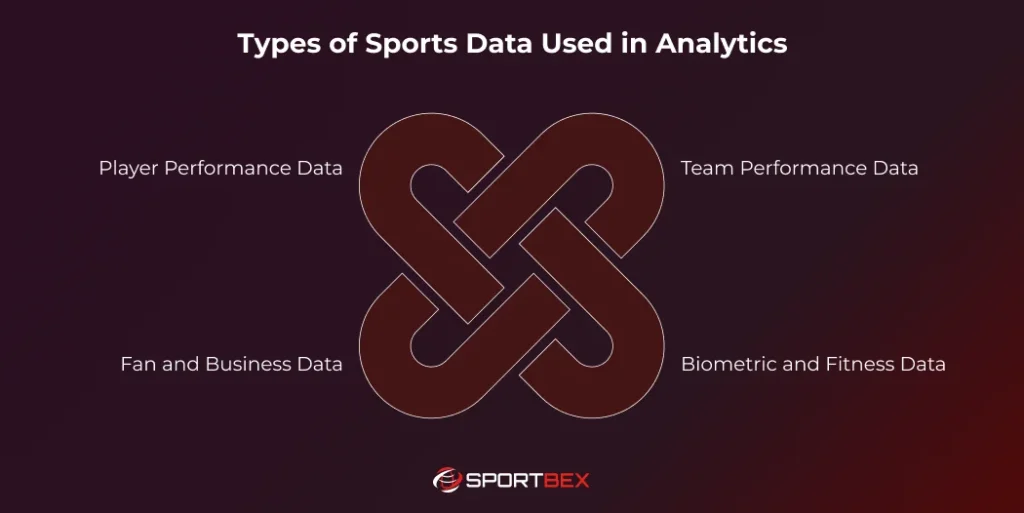
There are several fantastic categories of data that teams monitor closely. Understanding these will give you a whole new appreciation for the game!
Player Performance Data
Player performance data focuses on individual actions such as passing accuracy, sprint speed, shooting efficiency and reaction time. Coaches use these metrics to evaluate consistency and improve training plans.
Team Performance Data
This category analyzes the collective performance of a team. Metrics such as possession percentage, defensive shape, passing sequences and transition speed help teams improve tactical execution. Many clubs rely on a trusted live sports data provider to receive accurate match insights in real time.
Biometric and Fitness Data
Wearable technology allows teams to monitor heart rate, fatigue levels, recovery time and physical workload. This data is especially valuable for injury prevention and fitness management.
Fan and Business Data
Sports organizations also analyze audience engagement, ticket sales, merchandise performance and social media trends. This use of data analytics in sports helps teams improve fan experiences and business strategies.
Applications Across Different Sports
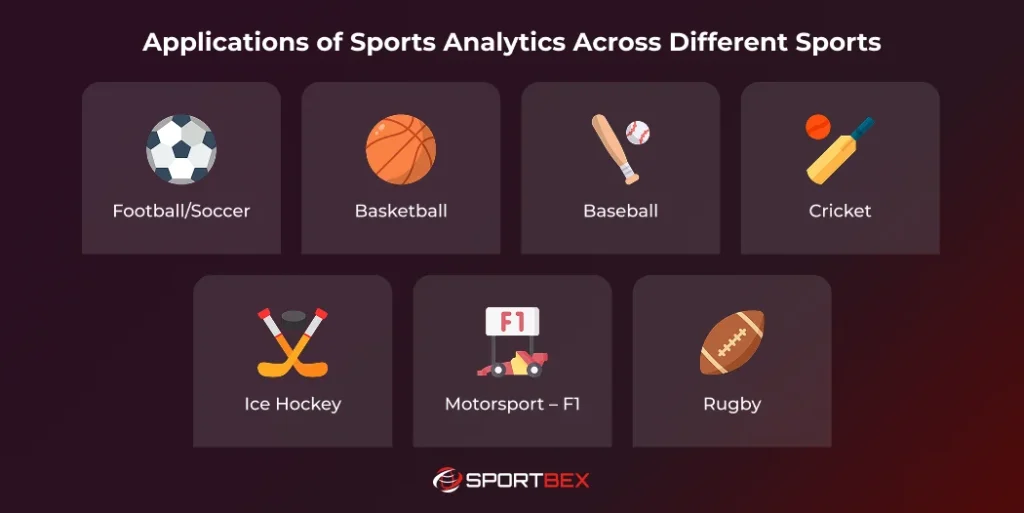
Every sport has its own unique way of utilizing Sports Data Analytics. Let’s take a quick tour around the sporting world!
Football/Soccer
Football clubs use analytics to track player positioning, passing networks, pressing intensity and expected goals (xG). Teams also study tactical patterns before important matches. Many developers building football platforms explore sports API use cases to integrate live match tracking into apps and dashboards.
Basketball
Basketball analytics focuses heavily on shot selection, defensive matchups and player efficiency ratings. Teams analyze which areas of the court produce the highest scoring probability.
Baseball
Baseball was one of the earliest sports to adopt advanced analytics. The famous “Moneyball” strategy showed how data-driven scouting could help teams compete with smaller budgets. A Baseball Data API is commonly used to track pitching metrics, batting averages and player tendencies.
Cricket
Cricket analytics helps teams study bowling patterns, strike rates, wagon-wheel analysis and field placements. Modern analysts frequently use a Cricket API to access ball-by-ball insights and live match statistics.
Ice Hockey
Ice hockey teams track puck possession, player shifts, shot locations and defensive structures. The use of an Ice Hockey API has made live analytics more accessible for broadcasters and analysts.
Motorsport – F1
Formula 1 teams process massive amounts of telemetry data during races. Engineers monitor tire wear, fuel efficiency, braking patterns and engine temperatures in real time.
Rugby
Rugby analytics focuses on physical performance, tackle efficiency, territory control and workload management due to the sport’s high physical intensity.
Technologies Used in Sports Data Analytics
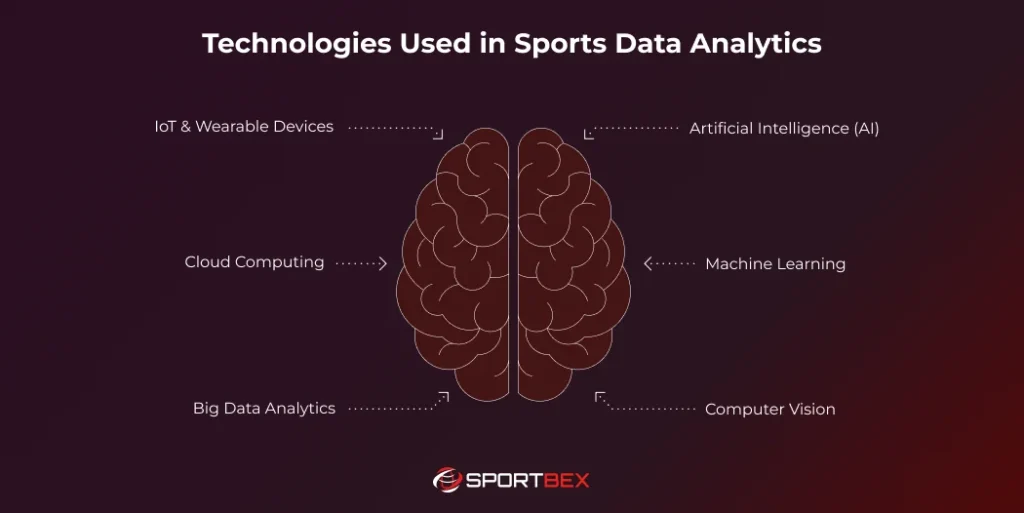
The tools powering these insights are absolutely mind-blowing. Here are the core technologies driving the industry forward.
Artificial Intelligence (AI)
AI helps teams simulate game scenarios, predict outcomes and identify tactical opportunities using historical data patterns.
Machine Learning
Machine learning systems improve over time by analyzing large datasets. Teams use these models to predict player performance and injury risks. Many organizations prioritize the fastest real-time sports data API to ensure machine learning models receive fresh data continuously.
Computer Vision
Computer vision technology uses cameras to automatically track player movements and convert video footage into structured analytics.
Big Data Analytics
Modern sports generate enormous amounts of information every second. Big data systems process this information efficiently for faster decision-making.
Cloud Computing
Cloud platforms allow coaches and analysts to access reports and dashboards instantly from different locations.
IoT and Wearable Devices
Smart wearables and connected sensors provide real-time fitness updates directly to coaching and medical staff.
How Sports Data Analytics Is Used in Modern Sports
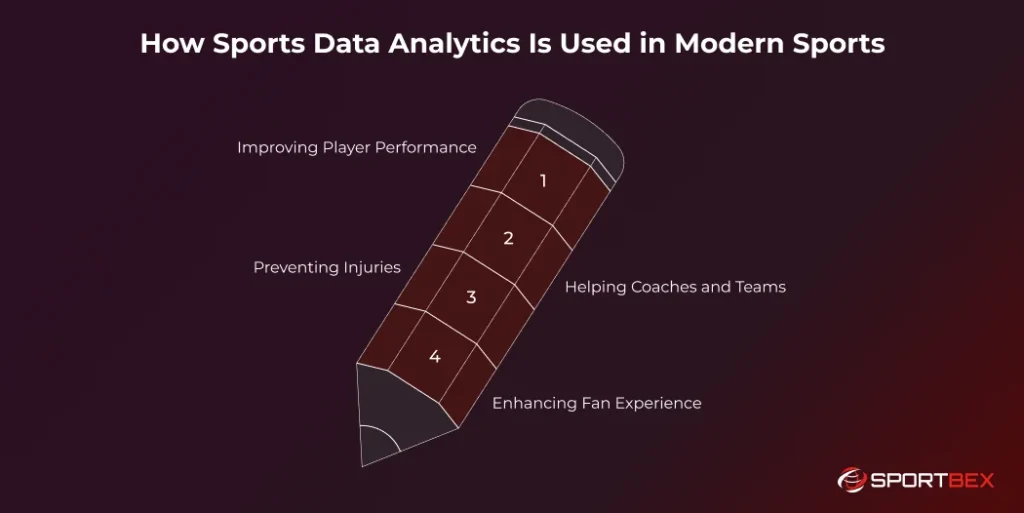
So, what are the practical benefits of all this technology? The impact of real-time sports data is felt in several incredible ways on game day.
Improving Player Performance
Athletes use analytics to identify weaknesses and improve specific skills. A tennis player, for example, may study return patterns to strengthen performance against aggressive opponents.
Helping Coaches and Teams
Coaches rely on sports statistics analysis to prepare tactical strategies based on opponent behavior and match trends. Understanding the impact of real-time sports data allows teams to make quicker adjustments during games.
Preventing Injuries
Medical staff monitors fatigue and workload data to reduce injury risks. This proactive approach helps teams protect players during long seasons.
Enhancing Fan Experience
Fans receive live stats, personalized notifications, fantasy sports insights and interactive match experiences through advanced analytics platforms. Businesses developing these experiences often create a fantasy sports app with live data to improve user engagement.
Tools Used in Collection and Analytics
Professional teams use advanced tools such as Hawk-Eye, STATSports GPS trackers, Catapult wearables, Tableau dashboards and Power BI visualization systems.
Analysts also work with real-time tracking software and cloud-based reporting tools to monitor performance more effectively. Many startups entering this space compare the best live sports data API options before building analytics platforms and mobile applications.
Conclusion
Sports Data Analytics has transformed modern sports into a highly strategic and data-driven industry. Teams no longer rely only on instinct; they use advanced insights to improve player performance, prevent injuries, refine tactics and enhance fan engagement.
From football heatmaps to Formula 1 telemetry systems, the role of sports data analysis continues to grow rapidly across every major sport. As technologies like AI, machine learning and wearable tracking evolve further, the future of data analytics in sports will become even more influential.
Whether you are a coach, developer, analyst or passionate sports fan, understanding Sports Data Analytics gives you a deeper appreciation of how modern sports truly operate behind the scenes.
Get a Ready-Made Platform On Rent.
Get Started Today
Frequently Asked Questions
Sports data analytics is the process of collecting and analyzing stats like in-game statistics, player biometrics and team metrics to boost performance, prevent injuries and make better strategic decisions.
By constantly monitoring a player's physical workload and fatigue levels through wearable tech, teams can adjust training intensity and rest periods to prevent overuse injuries before they occur.
Not at all! Many amateur clubs, high schools and even individual athletes use accessible tracking apps and affordable wearables to improve their personal performance.
It’s a whole world of data! It includes traditional stats like goals and assists, advanced biometrics like heart rate from wearable sensors and even positional data from tracking systems to analyze team formations and player movements.
That's a fantastic question! You can start by exploring public sports data websites like FBref (soccer) or Basketball-Reference (basketball). Fantasy sports leagues are also a fun way to dip your toes into the world of sports data since they rely heavily on player stats.
Recent Blog



How to build a low-latency live sports streaming app using APIs
September 9, 2026
 12 min

Cricket API Uptime & Availability: What Developers Should Know
August 27, 2026
13 min
Access Complete Sports Data Fast and Keep Updates Ready!
API Free Trial