How to Build a Fantasy Sports Software Platform in 2026

April 22, 2026

11 min read
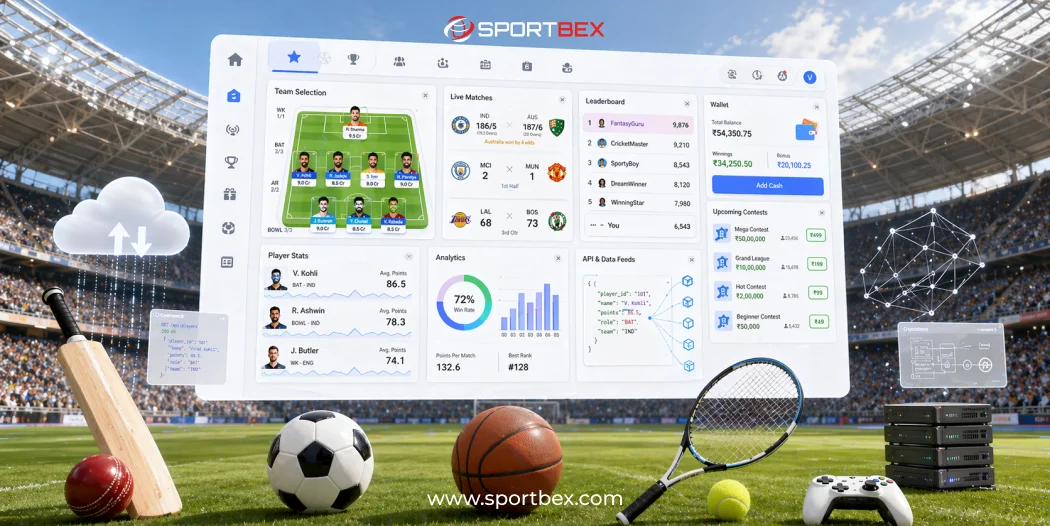
Millions of fans around the world no longer just watch their favorite sports. They want to participate, manage their own virtual teams and compete against friends for real rewards. This shift in behavior has fueled the growth of Fantasy Sports Software, making it one of the most exciting digital opportunities.
This growing demand has turned Fantasy Sports Software platforms into a highly profitable business model. But breaking into this market requires more than just a good idea. You need a fast, reliable and engaging application that keeps users coming back again and again.
If you are planning to enter this space, understanding fantasy sports software development is the first step. From choosing the right tech stack to the true cost to build fantasy sports app, the process can feel overwhelming, especially for new businesses.
This guide, How to Build a Fantasy Sports Software Platform in 2026: A Complete Guide, will walk you through everything you need to know to build a successful and scalable platform in this competitive market.
What is Fantasy Sports Software?
Fantasy sports software is a digital platform that lets users build virtual teams using real players from live sports leagues. Users earn points based on how those players actually perform in real matches.
This type of platform covers sports like cricket, football, basketball, baseball and soccer. Users join contests, pick players, set lineups and compete for cash prizes or rankings.
Whether it is a daily fantasy format or a full-season league, the core idea is the same: use data, strategy and sports knowledge to win.
Market Overview for Fantasy Sports Software Development
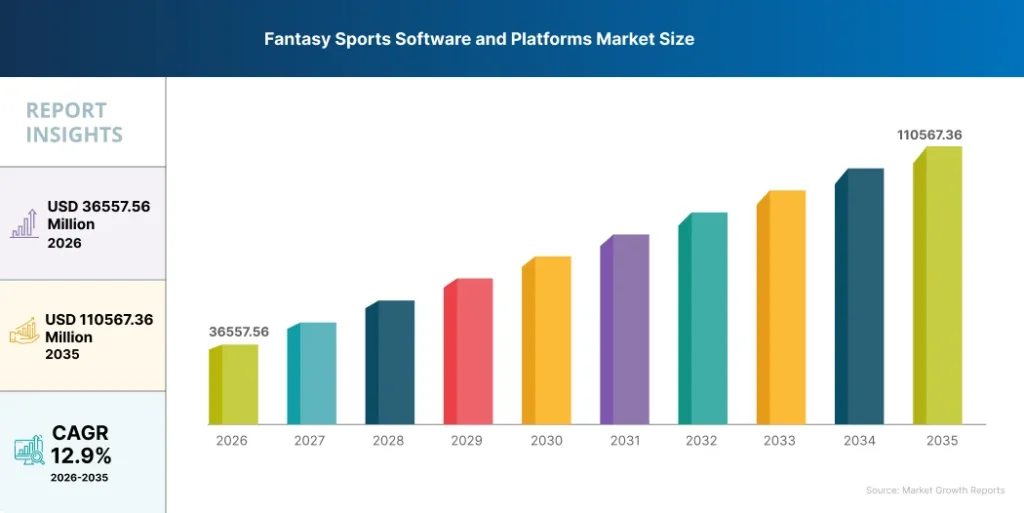
Source: Marketgrowthreports
The global fantasy sports market is valued at over $40 billion in 2026 and is expected to cross $60 billion by 2030. In addition, the Fantasy Sports Software and Platforms Market is estimated to be valued at USD 36,557.56 million in 2026 and is projected to reach USD 110,567.36 million by 2035, growing at a CAGR of 12.9% during the forecast period.
North America leads the market, but India, Europe, and Southeast Asia are growing at a strong pace due to increasing mobile usage and digital adoption.
Here is why this matters for your business:
- Over 60 million users play fantasy sports in the US and Canada alone
- India is one of the fastest-growing markets for fantasy sports app development
- Daily fantasy formats are creating new monetization opportunities
- Mobile-first users are pushing demand for fast, responsive platforms
Key Features Required in Fantasy Sports Software
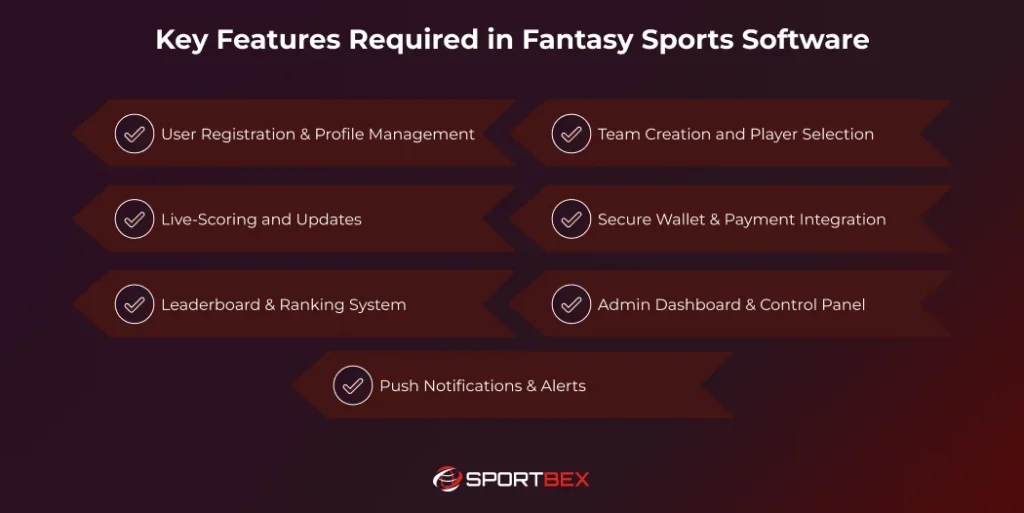
A winning platform needs the right set of features. Here are the must-haves for any modern fantasy sports software project.
User Registration & Profile Management
Let users sign up quickly via email, phone, or social login. Profiles should store game history, wallet balance, contest records and preferences. A smooth onboarding experience reduces drop-off rates significantly.
Key Features:
- Email, phone & social media sign-up
- Secure login with OTP & two-factor authentication
- Personal profile with game history & stats
- KYC verification for real-money platforms
- Wallet balance & transaction history
Team Creation and Player Selection
This is the heart of any fantasy sports software. Users browse player stats, check form guides and build teams within a set budget. Smart filters and sorting options make this process intuitive and fun.
Key Features:
- Player stats, form guide & performance history
- Budget-based team building system
- Smart filters by position, price & form
- Captain & vice-captain selection
- Multiple team creation per contest
Live-Scoring and Updates
Real-time score updates keep users engaged throughout the match. Live scoreboards, point breakdowns and instant ranking changes all depend on a fast, reliable sports data API feed. Without accurate API data, your platform cannot deliver the live experience users expect.
Key Features:
- Real-time score & point updates
- Ball-by-ball or play-by-play tracking
- Live rank changes & leaderboard refresh
- Player performance breakdown
- Match commentary integration
Secure Wallet & Payment Integration
Users need to deposit and withdraw money with full confidence. Your platform should support multiple payment gateways, UPI, net banking and digital wallets. Speed and security are non-negotiable.
Key Features:
- Multi-gateway payment support (Razorpay, Stripe, PayPal)
- UPI, net banking & digital wallet support
- Instant deposit & withdrawal processing
- SSL encryption & fraud detection
- Bonus wallet & cashback management
Leaderboard & Ranking System
Live leaderboards showing real-time rankings and prize splits motivate players to stay active throughout a contest. Competition drives engagement always.
Key Features:
- Real-time live leaderboard updates
- Contest-wise & overall global rankings
- Prize pool distribution display
- Rank-based reward system
- Historical leaderboard for past contests
Admin Dashboard & Control Panel
Modern platforms also follow the structure of Online Sports Betting Software to manage users, monitor activity, and handle real-time operations more efficiently.
Key Features:
- Contest creation & management tools
- User management & activity monitoring
- Transaction tracking & financial reports
- Fraud detection & account suspension controls
- Role-based access for admin team members
Push Notifications & Alerts
Timely alerts about contest starts, score updates, winning announcements and promotions bring users back to your app. Personalised notifications based on user behavior improve retention greatly.
Key Features:
- Personalised notifications based on user activity
- Contest start & end reminders
- Live score & rank change alerts
- Winning & prize credit notifications
- Promotional offers & bonus alerts
Step-by-Step Process to Build a Fantasy Sports Software Platform
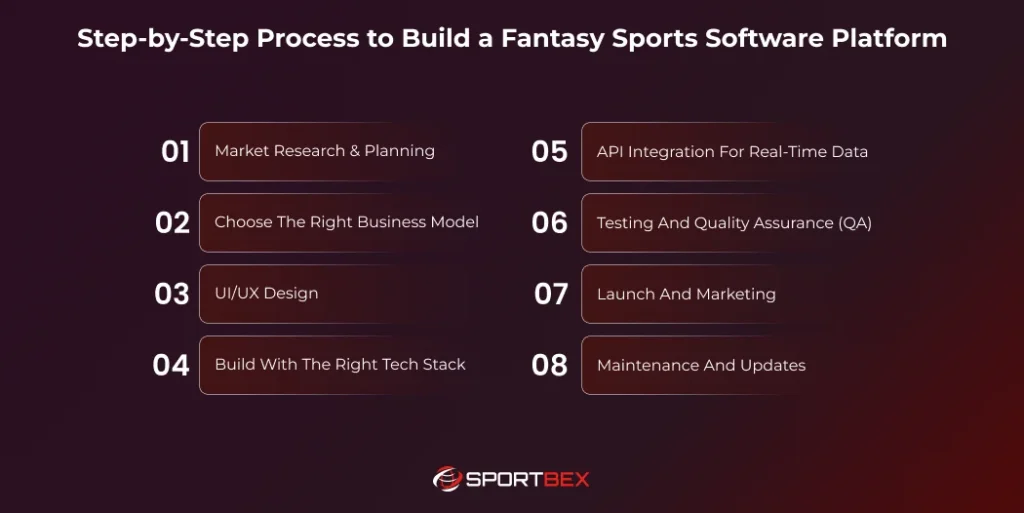
Creating a successful Software requires a clear roadmap. Here is the step-by-step process you should follow.
1. Market Research & Planning
Understand your target audience, study competitors, and find gaps in the market. Define your niche, whether single-sport or multi-sport. Proper planning helps you build a platform that meets user expectations.
2. Choose the Right Business Model
Your revenue model shapes every part of your platform. Common options include:
- Freemium model with paid power-ups
- Entry fee-based contests with prize pools
- Subscription plans for premium features
- In-app advertising and brand sponsorships
3. UI/UX Design
Design clean, mobile-first interfaces that make team creation and navigation simple. The best fantasy sports software platforms load fast, look sharp and feel natural to use. A well-structured interface should also highlight key features of fantasy sports betting, making it easier for users to understand contests and gameplay.
4. Build with the Right Tech Stack
Choose a stack that supports real-time data, high traffic and easy scaling, as your choices here will define long-term performance. Start with MVP development to validate your core idea before building the full platform. Frontend frameworks like React Native or Flutter handle the user-facing side, while the backend manages scoring engines, contest logic, payments and APIs.
5. API Integration for Real-Time Data
Integrate their APIs to feed real-time match stats, player profiles and live scores directly into your application. how sports betting software work helps here, as the same real-time data principles apply to fantasy platforms. This ensures your users always have the most accurate information.
6. Testing and Quality Assurance (QA)
Before going live, every part of your platform must be thoroughly tested including load testing, security testing, payment flows and real-time data accuracy. Bugs on launch day can seriously damage user trust and your brand reputation.
7. Launch and Marketing
It’s time to launch your platform by deploying the app on the App Store, Google Play and as a web platform. However, launching is just the first step, as you also need a strong marketing strategy that includes social media promotion, influencer partnerships and SEO to attract your initial users and build momentum.
8. Maintenance and Updates
Technology changes constantly, so your fantasy sports software will need regular updates to fix minor bugs, improve performance and introduce new features. It’s also important to listen to user feedback after launch and use their suggestions to refine the platform, enhance user experience and keep it competitive in the market.
Technology Stack for Fantasy Sports Software Development
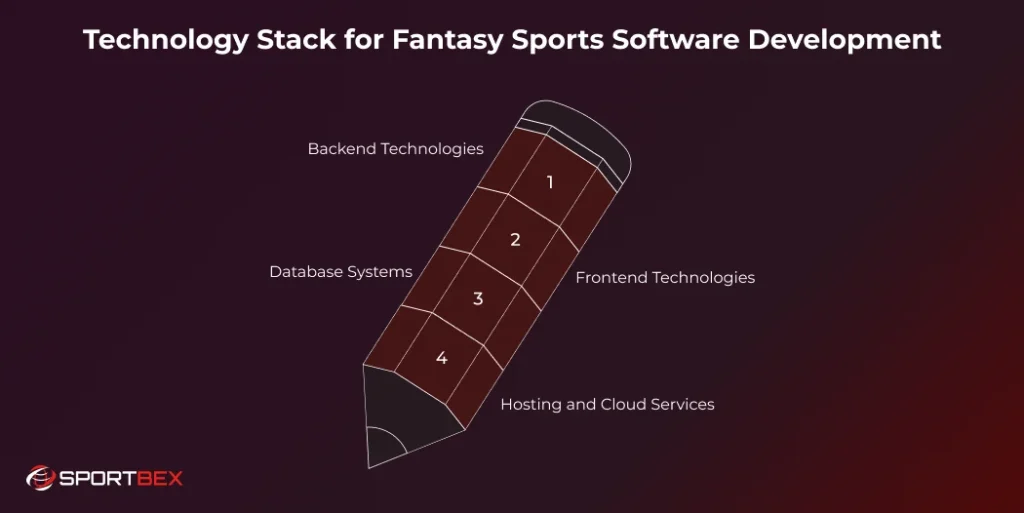
Selecting the right technology is critical for performance and scalability. Here is a look at the standard tech stack used by professionals.
Backend Technologies
Backend technologies handle all the complex logic and data processing, making them the core of your fantasy sports software. Popular choices like Node.js, Python and Ruby on Rails are widely used because they offer high performance, scalability and the ability to handle multiple simultaneous requests efficiently.
Frontend Technologies
Frontend technologies are important for creating a smooth and user-friendly experience. For mobile apps, you can use native technologies like Swift or Kotlin, or choose cross-platform frameworks like React Native and Flutter. For web platforms, HTML5, CSS3 and JavaScript are commonly used to build responsive and interactive interfaces.
Database Systems
Database systems play a crucial role in managing large volumes of data, from user profiles to real-time match stats. Technologies like MySQL or PostgreSQL are used for structured data, while MongoDB helps handle flexible and scalable data. In most fantasy platforms, a mix of SQL and NoSQL databases is used to ensure fast performance and smooth data handling.
Hosting and Cloud Services
Hosting and cloud services are essential to keep your platform stable during high traffic. Providers like AWS, Google Cloud or Microsoft Azure ensure scalability, security, and reliable performance. Modern systems also use AI in Sports Betting to improve predictions, detect fraud and enhance user experience, making platforms smarter and more efficient in real time.
How to Choose the Right Fantasy Sports Software Development Company
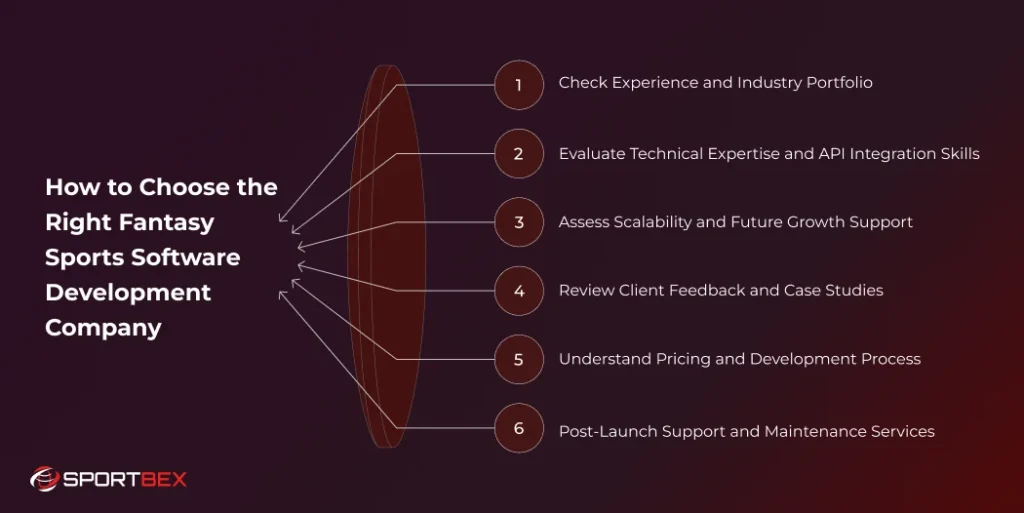
You cannot build a top-tier platform alone. Finding the right tech partner is one of the most important decisions you will make. Here is how to find a reliable fantasy sports software development company.
Check Experience and Industry Portfolio
When choosing a development partner, look for companies that have experience building fantasy or betting platforms. General software agencies may not fully understand industry-specific needs like compliance, real-time data and monetization. A reliable Sports Software Development Company should be able to show relevant case studies and proven results.
Evaluate Technical Expertise and API Integration Skills
Your platform depends on third-party data, so the development team should have strong API integration skills. They should also be experienced with modern technologies and security practices. If they have worked on Sports Betting Exchange Software before, it shows they can handle real-time data effectively.
Assess Scalability and Future Growth Support
Your goal is to grow your user base, so the development team must build a scalable architecture that can handle increasing demand. It’s important to ask how they manage sudden traffic spikes, especially during major events. A well-built platform should perform smoothly without crashes, even when thousands of users log in at the same time.
Review Client Feedback and Case Studies
Don’t rely only on what the company says; take time to review feedback from their past clients on platforms like Clutch or GoodFirms. These reviews can give you real insights into the agency’s communication, ability to meet deadlines and overall professionalism, helping you make a more informed decision.
Understand Pricing and Development Process
A reliable company should be clear about timelines, milestones and pricing from the start. Make sure you understand their development process and what you’ll get at each stage. Avoid very low quotes, as they often lead to hidden costs or delays later.
Post-Launch Support and Maintenance Services
A good fantasy sports software development company will not abandon you after launch. Ensure they offer ongoing maintenance and support contracts. You will need their help to scale servers, fix unexpected bugs, and release new updates.
Challenges in Fantasy Sports Software Development
Building a Fantasy Sports Software platform comes with several challenges that you should be prepared for.
Legal regulations vary from region to region, and it is important to comply with local laws. Real-time data accuracy is another challenge, as users depend on correct and fast updates.
Competition in this industry is very high, so creating a unique and engaging platform is essential. User retention can also be difficult if your platform does not offer a smooth experience.
There are also technical challenges similar to challenges in sports betting software, especially when handling large traffic and real-time updates.
Conclusion
Building a fantasy sports software platform in 2026 is a smart business move, but only if you approach it with the right strategy, tech stack, and development partner.
The market rewards platforms that are fast, reliable and genuinely enjoyable to use. Be clear on your cost to build a fantasy sports app, understand the challenges involved, and partner with a team that has real industry experience.
If you are serious about launching a successful fantasy sports software platform, the right time to start planning is right now.
Get a Ready-Made Platform On Rent.
Get Started Today
Frequently Asked Questions
Fantasy sports is an online game where users create virtual teams using real players from live matches. Points are earned based on real performance, and users compete in contests to win rewards or rankings.
A software developer’s tech stack includes frontend tools like HTML, CSS, JavaScript, backend technologies like Node.js or Python, databases like MySQL or MongoDB, and cloud services like AWS or Google Cloud for hosting.
To choose a software development company, check their experience, portfolio, client reviews, and technical skills. Make sure they understand your industry, offer transparent pricing, and provide ongoing support after launch.
To build a Fantasy Sports Software platform, start with market research, choose a tech stack, integrate real-time APIs, design UI/UX, develop core features, test thoroughly, and launch with strong marketing.
The cost to build a fantasy sports app depends on features, design, and complexity. A basic app may start from $10,000, while advanced platforms with real-time data and scaling can exceed $100,000.
Recent Blog



How to build a low-latency live sports streaming app using APIs
September 9, 2026
 12 min

Cricket API Uptime & Availability: What Developers Should Know
August 27, 2026
13 min
Launch Your Betting Platform Quickly and Securely
API Free Trial