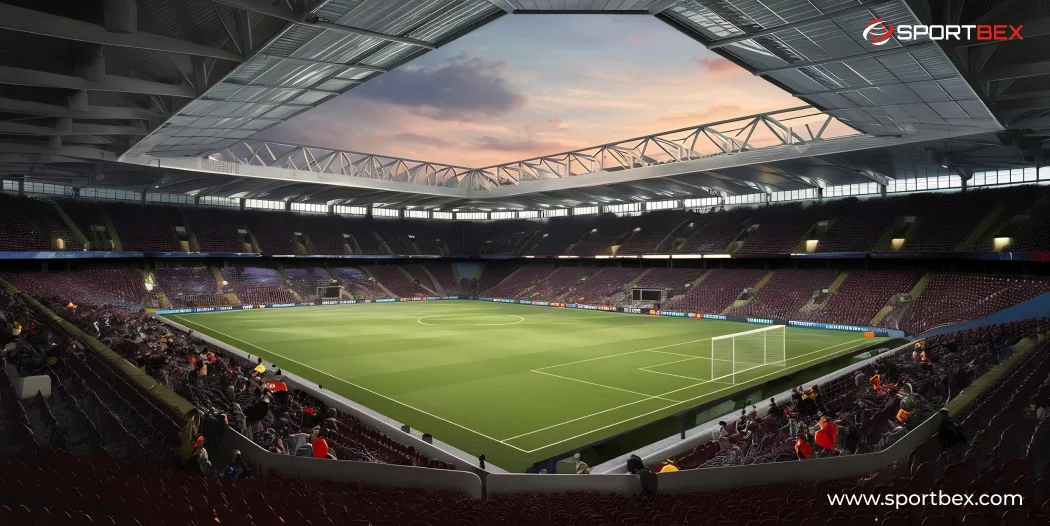
The scale of football stadiums is something every fan feels instantly. The roar of the crowd and the massive structure create a powerful atmosphere. These venues shape how the game is experienced.
When people search for the biggest football stadiums, they want more than numbers. They look for iconic venues and global significance. Interest in the biggest football stadium in the world keeps growing among fans.
These stadiums are more than just structures. They are landmarks where historic moments happen. The Rungrado 1st of May Stadium is a perfect example of scale and impact.
In this guide, we will explore the Top 10 Biggest Football Stadiums in the World. You will learn about their capacity and importance. With modern tools like a Soccer API, fans can now track live data and match insights while exploring these biggest football stadiums.
What Defines the Biggest Football Stadiums
The term biggest football stadiums is mainly defined by seating capacity. This includes general seating, VIP sections, and in some cases, safe standing areas. Capacity matters because it directly impacts revenue, fan experience, and global recognition.
Some venues are also categorized among the biggest college football stadiums, especially in the United States. These stadiums are built for American football but are often used for large soccer events, making them part of the global football stadiums conversation.
Another important factor is how these stadiums are used. Many venues host matches from top soccer Leagues in the World, making them key locations for major tournaments. This shows that size is not just about structure but also about how frequently and effectively the stadium is used.
Top 10 Biggest Football Stadiums in the World
The Top 10 Biggest Football Stadiums in the World showcase the true scale and passion of global football. These massive football stadiums are not just about capacity but also about history, atmosphere, and unforgettable moments.
1. Rungrado 1st of May Stadium
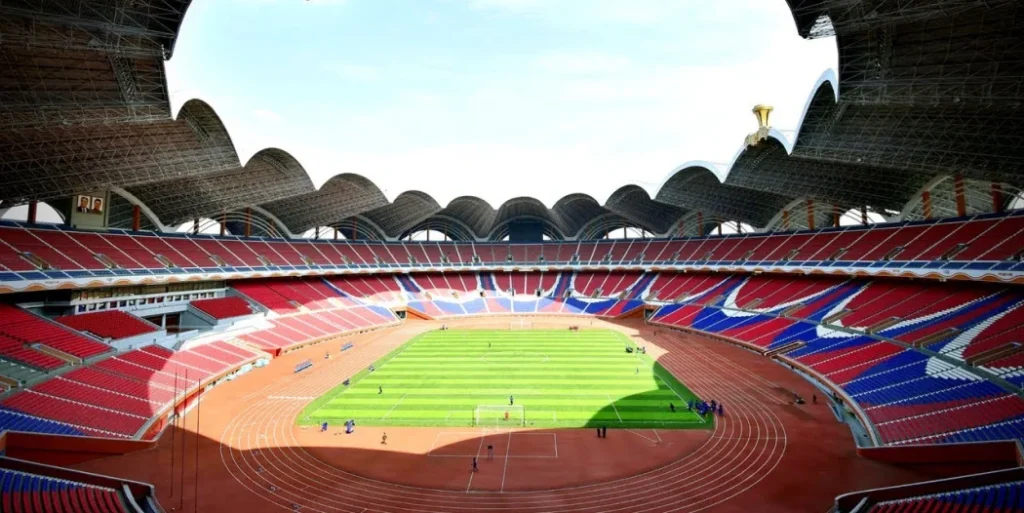
The Rungrado 1st of May Stadium is known as the biggest football stadium in the world, with a capacity of over 114,000. It stands as one of the most massive football stadiums globally. Its scale alone makes it a unique landmark in world football.
Unlike most biggest football stadiums, this venue is not regularly used for international club matches. Still, the Rungrado 1st of May Stadium remains globally recognized for its architecture and size. Many of the Greatest Soccer Players have never played here, which makes it even more unique.
- Capacity: 114,000
- Location: Pyongyang, North Korea
- Established: May 1, 1989
- Teams: North Korea National Team
- Feature: Largest stadium with iconic scalloped roof
2. Michigan Stadium
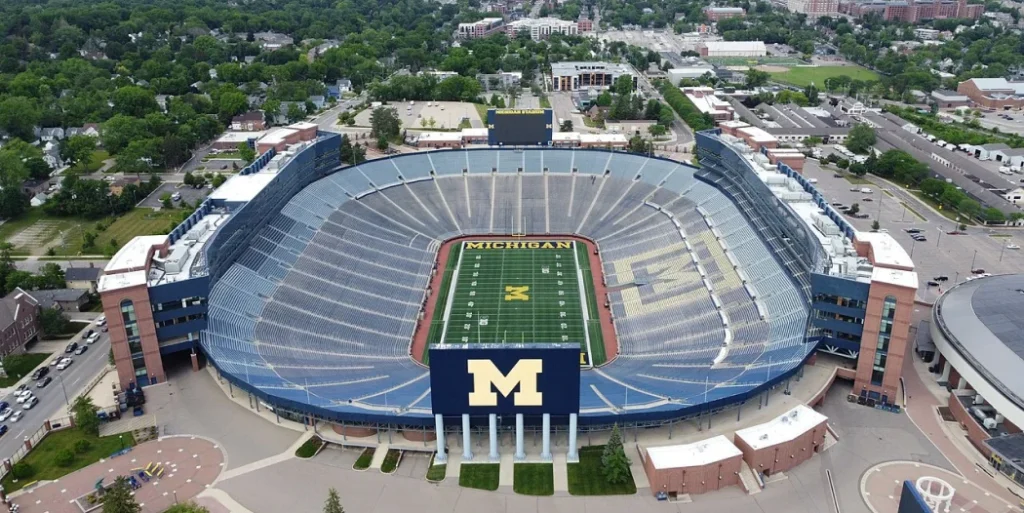
Michigan Stadium is one of the biggest college football stadiums, with a capacity of more than 107,000. Known as “The Big House,” it is one of the largest football stadiums in the world. It has also hosted major international soccer matches.
This stadium shows how multi-purpose venues can support different sports at a global level. It also contributes to Football Analytics, where crowd behavior is studied to improve fan experience. Its size makes it a key entry among biggest football stadiums.
- Capacity: 107,601
- Location: Ann Arbor, Michigan, USA
- Established: October 1, 1927
- Teams: Michigan Wolverines, occasional international soccer teams
- Feature: Largest stadium in the United States
3. Melbourne Cricket Ground
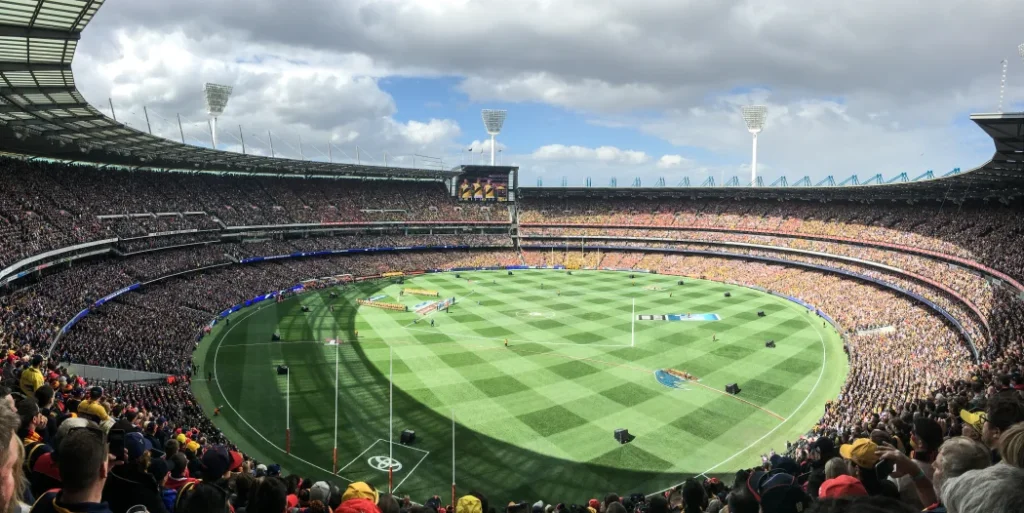
The Melbourne Cricket Ground is one of the most versatile football stadiums, with a capacity of over 100,000. It hosts multiple sports, including international soccer events. Its size makes it one of the biggest football stadiums globally.
The stadium is known for its design, which enhances crowd noise and creates an intense atmosphere. This makes it a challenging venue for visiting teams. It remains a key part of global football stadiums infrastructure.
- Capacity: 100,024
- Location: Melbourne, Australia
- Established: 1853 (current structure developed over time)
- Teams: Australia National Team, occasional football clubs
- Feature: Multi-sport stadium with strong crowd acoustics
4. Camp Nou
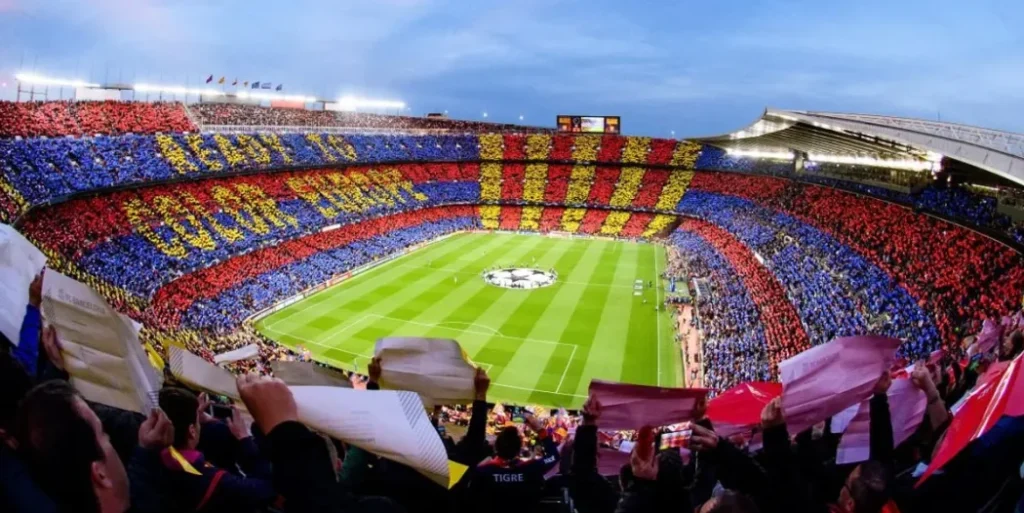
Camp Nou is the largest football stadium in Europe and home to FC Barcelona. With a capacity close to 100,000, it is one of the most iconic football stadiums in the world.
The stadium has hosted many historic matches and continues to be a central hub for football fans. It also plays a role in modern Football Analytics, helping teams improve performance through data. Its legacy keeps it among the biggest football stadiums.
- Capacity: 99,354
- Location: Barcelona, Spain
- Established: September 24, 1957
- Teams: FC Barcelona
- Feature: Largest stadium in Europe
Get Your Soccer Data Here
Live scores, player stats, and team data from one simple API.
5. FNB Stadium
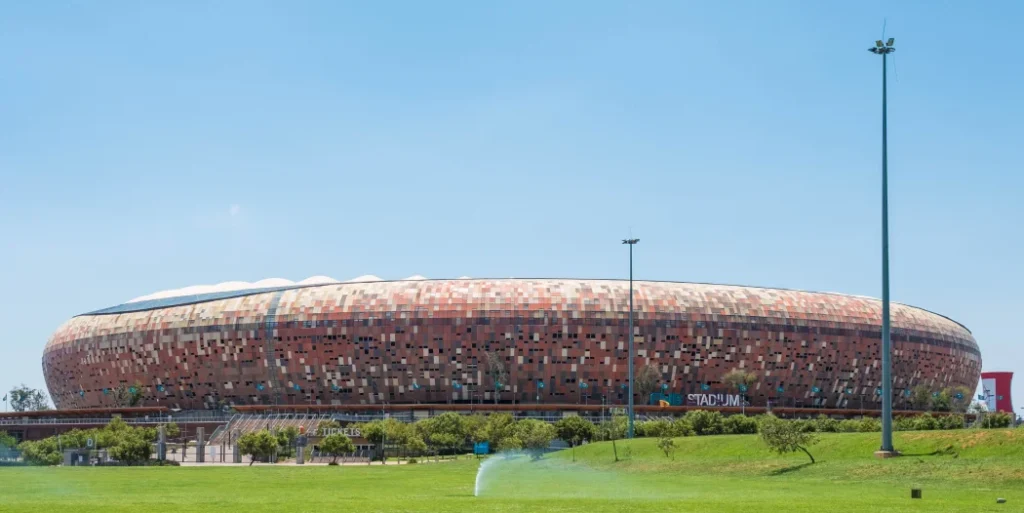
FNB Stadium, also known as Soccer City, is one of the largest football stadiums in Africa. It became globally famous during the FIFA World Cup. Its size and design make it one of the biggest football stadiums worldwide.
The stadium’s structure reflects local culture and modern architecture. It continues to host major football matches and events. This makes it an important venue in global football.
- Capacity: 94,807
- Location: Johannesburg, South Africa
- Established: 1989 (renovated and expanded in 2009)
- Teams: South Africa National Team, Kaizer Chiefs
- Feature: World Cup final venue with unique design
6. Wembley Stadium
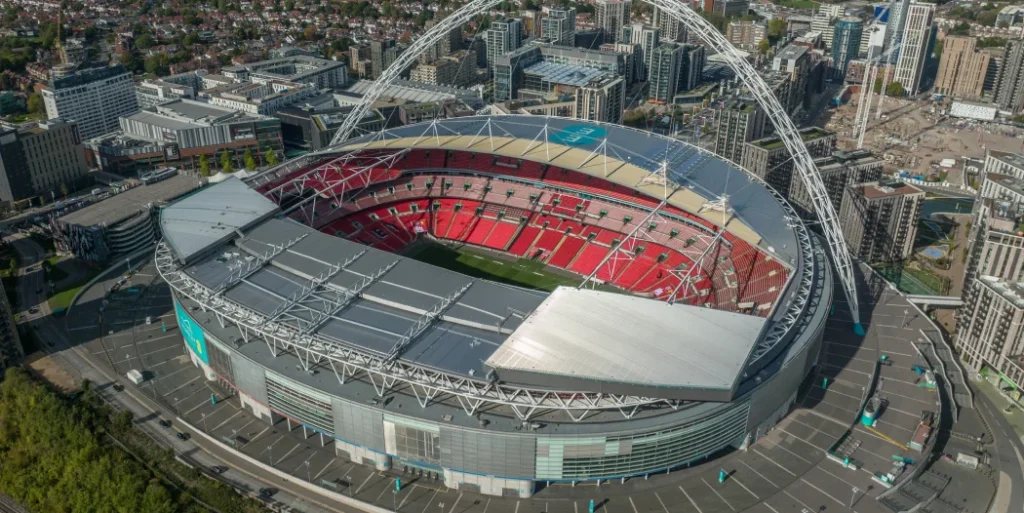
Wembley Stadium is one of the most famous football stadiums in the world. It is known for hosting major finals and international matches. With a capacity of 90,000, it ranks among the biggest football stadiums.
The stadium includes advanced technology and modern infrastructure. Systems like VAR in Football help improve match decisions and fan experience. Wembley remains a global football landmark.
- Capacity: 90,000
- Location: London, England
- Established: March 9, 2007 (rebuilt stadium)
- Teams: England National Team
- Feature: Iconic arch and modern facilities
7. Rose Bowl
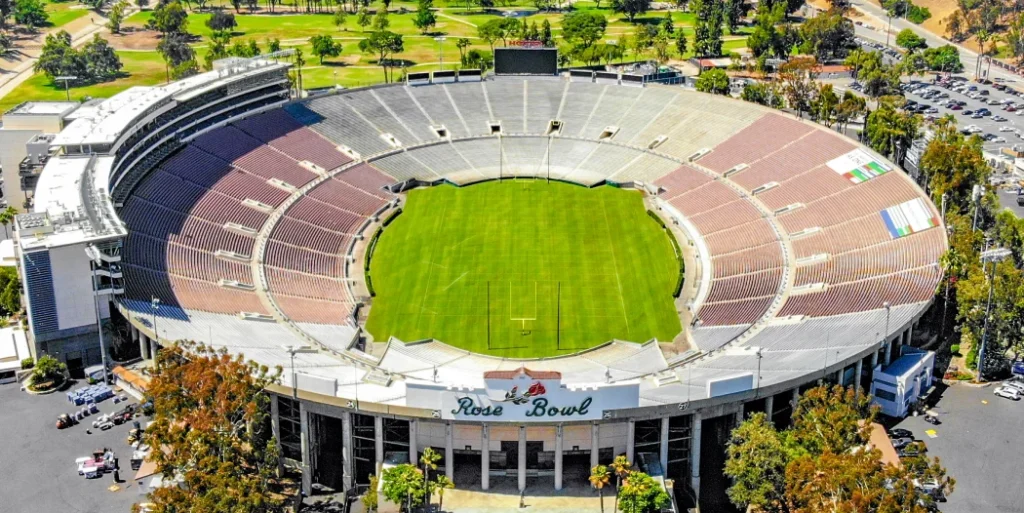
The Rose Bowl is one of the biggest college football stadiums and has a strong history in soccer. It has hosted major international tournaments, including World Cup finals. Its scale makes it one of the top football stadiums globally.
The stadium is widely respected for its legacy and atmosphere. It continues to host important matches across sports. This keeps it relevant among the biggest football stadiums.
- Capacity: 88,565
- Location: Pasadena, California, USA
- Established: October 1922
- Teams: UCLA Bruins, occasional soccer teams
- Feature: Historic World Cup venue
8. Estadio Azteca

Estadio Azteca is one of the most historic football stadiums in the world. It is famous for hosting two FIFA World Cup finals. Its capacity and legacy place it among the biggest football stadiums.
The stadium offers a unique playing environment due to its altitude and design. It remains an important venue in global football history.
- Capacity: 87,523
- Location: Mexico City, Mexico
- Established: May 29, 1966
- Teams: Club América, Mexico National Team
- Feature: Only stadium to host two World Cup finals
9. Bukit Jalil National Stadium
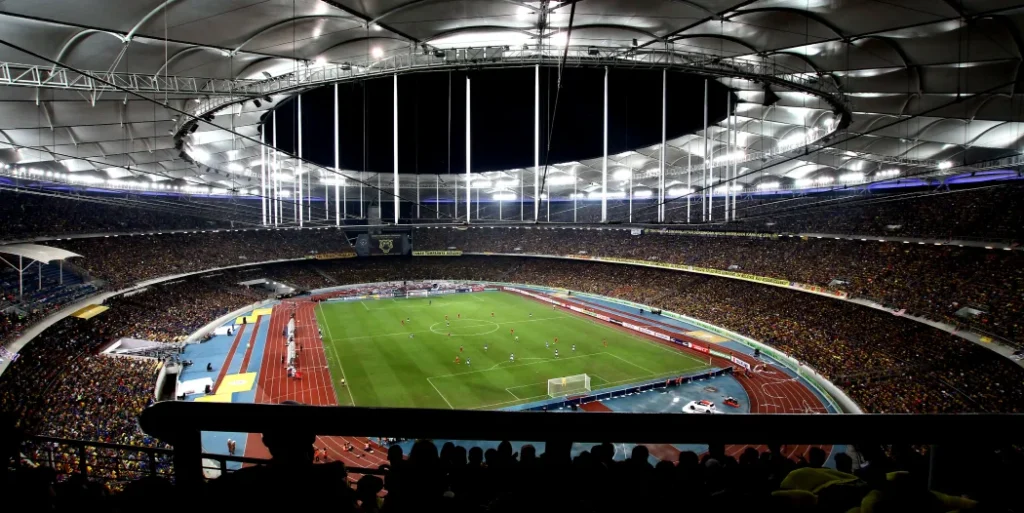
Bukit Jalil National Stadium is the largest stadium in Southeast Asia. It plays a key role in regional football and hosts major events. Its size makes it one of the biggest football stadiums globally.
The stadium supports the growth of football in Asia. It continues to attract large crowds and major tournaments. This shows the global expansion of football stadiums.
- Capacity: 87,411
- Location: Kuala Lumpur, Malaysia
- Established: January 1, 1998
- Teams: Malaysia National Team
- Feature: Largest stadium in Southeast Asia
10. Borg El Arab Stadium
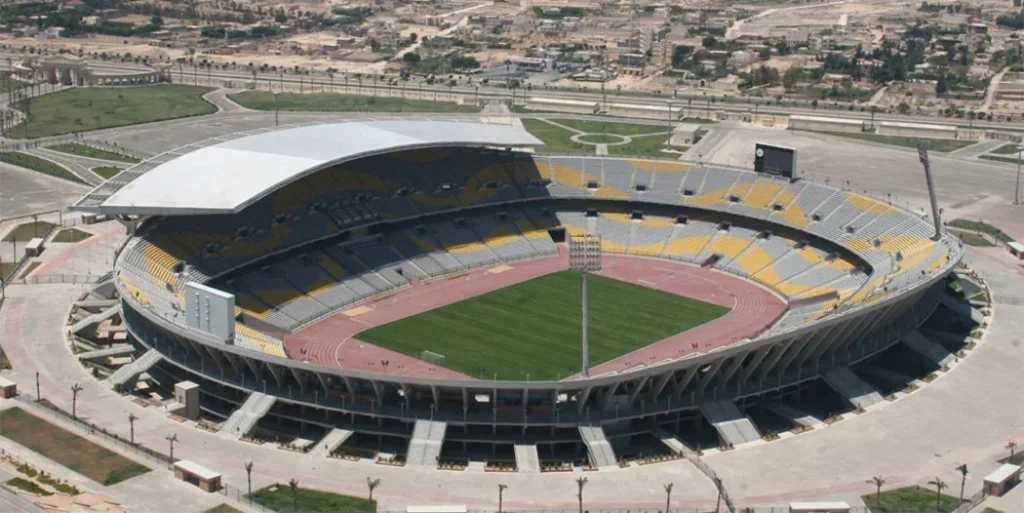
Borg El Arab Stadium is one of the largest football stadiums in Africa. It regularly hosts national and international matches. Its capacity places it among the biggest football stadiums.
The stadium is known for its modern design and infrastructure. It plays a key role in supporting football in the region.
- Capacity: 86,000
- Location: Alexandria, Egypt
- Established: 2007 (officially opened)
- Teams: Egypt National Team
- Feature: One of Africa’s largest modern stadiums
Comparison Table of Stadiums
| Rank | Stadium | Country | Capacity |
|---|---|---|---|
| 1 | Rungrado 1st of May Stadium | North Korea | 114,000 |
| 2 | Michigan Stadium | USA | 107,601 |
| 3 | Melbourne Cricket Ground | Australia | 100,024 |
| 4 | Camp Nou | Spain | 99,354 |
| 5 | FNB Stadium | South Africa | 94,807 |
| 6 | Wembley Stadium | England | 90,000 |
| 7 | Rose Bowl | USA | 88,565 |
| 8 | Estadio Azteca | Mexico | 87,523 |
| 9 | Bukit Jalil National Stadium | Malaysia | 87,411 |
| 10 | Borg El Arab Stadium | Egypt | 86,000 |
Why Large Stadiums Matter in Football
Large football stadiums are not just about capacity. They represent the scale, passion, and global reach of the sport. The biggest football stadiums create an environment that goes beyond just watching a match.
These massive venues generate significant revenue through ticket sales, sponsorships, and events. The energy of thousands of fans also creates a strong home advantage. This makes football stadiums a key part of team performance and success.
The presence of huge crowds directly impacts players and match outcomes. These venues are also Changing the Sports Industry by driving innovation in design, safety, and fan engagement. As stadiums grow, so does their influence on modern football.
- Revenue generation through tickets, sponsorships, and events
- Strong home advantage due to crowd pressure
- Enhanced fan experience with modern infrastructure
- Driving innovation in stadium design and technology
How Sports Data Transforms Stadium Experience
Modern football stadiums use data to manage crowds and improve the fan experience. From security to entry flow, technology helps handle large audiences efficiently. This is crucial in the biggest football stadiums.
For live updates, a Sports App Needs a Soccer API to show scores, stats, and match insights. A reliable Soccer API keeps fans connected even in huge football stadiums. It bridges the gap between live action and digital experience.
This use of data makes stadiums more interactive and engaging. Fans can follow every moment without missing anything. As a result, football stadiums are becoming smarter and more connected.
Conclusion
The world’s biggest football stadiums represent more than just size. They reflect the passion, scale, and global reach of football. From the massive Rungrado 1st of May Stadium to historic venues like Wembley and Camp Nou, each stadium has its own story.
Understanding these football stadiums helps fans appreciate the game beyond the pitch. These venues bring people together, create unforgettable memories, and continue to shape the future of football.
As technology and infrastructure evolve, the experience inside these stadiums will only improve. The combination of scale, data, and fan engagement ensures that the biggest football stadiums will always remain at the heart of the sport.
All Your Soccer Data in One Place
Build your platform on reliable data with our 99.9% uptime guarantee
Frequently Asked Questions
The Rungrado 1st of May Stadium is the biggest football stadium in the world with a capacity of 114,000.
Yes, many of the biggest college football stadiums like Michigan Stadium host international soccer matches and large events.
Camp Nou is the largest football stadium in Europe with a capacity of over 99,000.
Football stadiums are built large to accommodate more fans, increase revenue, and create a strong home advantage during matches.
Modern football stadiums use technology like live data, mobile apps, and analytics to provide real-time updates and better engagement for fans.
Recent Blog



How to build a low-latency live sports streaming app using APIs
September 9, 2026
 12 min

Cricket API Uptime & Availability: What Developers Should Know
August 27, 2026
13 min
Track Matches, Goals, and Stats Instantly with Our Live Soccer API
API Free Trial